Every aluminum beverage can has a thin internal lacquer that separates the drink from the metal. Epoxy linings are the long-established standard; BPA-NI (bisphenol-A non-intent) linings avoid BPA-based chemistry and are increasingly required by retailers and regulations. The right choice depends on your product’s acidity, alcohol, process and market.
What the lining does
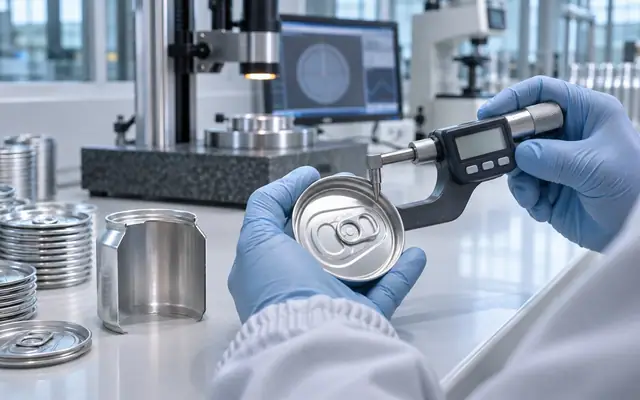
Aluminum would react with acidic or carbonated drinks if they touched it directly. A thin, sprayed internal coating — only a few microns thick — forms a barrier that protects both the product's flavour and the can from corrosion. Ends carry a separate coating on the product side.
Epoxy linings
Epoxy linings have been used for decades and perform well across most beverages. Many traditional epoxy systems are based on bisphenol-A (BPA), which is why some markets and retailers now ask for alternatives.
BPA-NI linings
BPA-NI stands for “bisphenol-A non-intent”: the coating is formulated without BPA as an intentional ingredient. Common chemistries include acrylic, polyester and non-BPA epoxy systems. Modern BPA-NI coatings are suitable for most beers, soft drinks, waters and many juices, and are offered on our slim cans and other formats.
How to choose
| Product | Points to review |
|---|---|
| Beer & cider | Alcohol, hop compounds, pasteurisation |
| Carbonated soft drinks | Acidity (pH), citric/phosphoric acid, chlorides |
| Juice & tea | Acidity, pulp, hot-fill temperature |
| RTD coffee & dairy | Retort conditions, flavour scalping |
| Wine & cocktails | Sulphites, alcohol, acidity |
Share your product specification, pH, process temperatures and target shelf life. We will recommend a lining and, where needed, arrange pack tests before production.
Regulations and documentation
Requirements differ by market. Many buyers ask for declarations of compliance, migration test reports and coating supplier statements. Tell us your destination market at the inquiry stage so the right documents are prepared with your order.
Key takeaways
- All beverage cans need an internal lining; it is not optional.
- BPA-NI is increasingly the default request for new brands.
- Aggressive products (high acid, high chloride, low pH) may need pack testing.
- Plan documentation for your market early.
Frequently asked questions
Do aluminum cans contain BPA?
Aluminum itself contains no BPA. Some traditional epoxy linings are BPA-based; BPA-NI linings are formulated without BPA as an intentional ingredient.
Is BPA-NI more expensive?
BPA-NI coatings can cost slightly more than conventional epoxy, but the difference is small relative to the total can price.